Philippines, UAE to Seal Historic Free-Trade Deal in January 2026
28 December 2025
The Philippines is set to sign its first free-trade agreement with a Middle Eastern nation as a landmark CEPA with the UAE is finalized in January 2026.
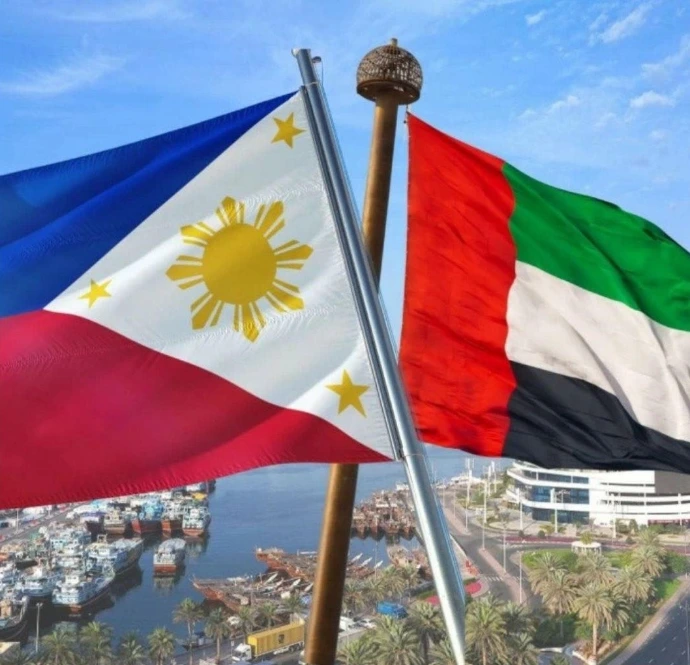
The Philippines is preparing to sign a landmark Comprehensive Economic Partnership Agreement (CEPA) with the United Arab Emirates in mid-January 2026, marking a historic milestone in the country’s trade relations. This agreement will be the Philippines’ first free-trade pact with a Middle Eastern nation, signaling a strategic move to strengthen export growth and deepen economic ties with the Gulf region.
The signing is expected to take place during the second week of January, with senior Philippine officials traveling to the UAE to formalize the deal. The agreement reflects years of negotiations that began in 2022, focused on reducing trade barriers, encouraging investment, and expanding access for Philippine goods and services in the UAE market.
The UAE plays a significant role in the Philippine economy, serving as both a key trading partner and home to more than two million overseas Filipinos. Bilateral trade between the two countries has continued to grow, underscoring the importance of formalizing a framework that supports smoother trade flows and long-term cooperation.
Beyond direct trade benefits, the CEPA is also seen as a gateway for broader market access. Strengthened ties with the UAE could open doors to neighboring Gulf and African economies, positioning the Philippines as a competitive exporter in the region. The agreement is likewise expected to attract large-scale investments, particularly from UAE-based sovereign wealth funds with substantial global assets.
The Philippine government is placing strong emphasis on export-oriented manufacturing, aiming to sustain recent gains in merchandise exports. Demand for electronics, food products, and consumer goods has driven export growth, helping the country surpass its previous annual export performance even before year-end.
Officials say the continued expansion of exports highlights the global competitiveness of Filipino-made products, despite uncertainties in international trade policies. With signs of recovering global demand, the government is accelerating efforts to secure more trade agreements to maintain momentum in 2026 and beyond.
In addition to the UAE deal, the Philippines is moving closer to finalizing similar agreements with other partners, including Chile and the European Union, as part of a broader strategy to diversify markets, attract investments, and strengthen the country’s position in global trade.
The Philippines is preparing to sign a landmark Comprehensive Economic Partnership Agreement (CEPA) with the United Arab Emirates in mid-January 2026, marking a historic milestone in the country’s trade relations. This agreement will be the Philippines’ first free-trade pact with a Middle Eastern nation, signaling a strategic move to strengthen export growth and deepen economic ties with the Gulf region.
The signing is expected to take place during the second week of January, with senior Philippine officials traveling to the UAE to formalize the deal. The agreement reflects years of negotiations that began in 2022, focused on reducing trade barriers, encouraging investment, and expanding access for Philippine goods and services in the UAE market.
The UAE plays a significant role in the Philippine economy, serving as both a key trading partner and home to more than two million overseas Filipinos. Bilateral trade between the two countries has continued to grow, underscoring the importance of formalizing a framework that supports smoother trade flows and long-term cooperation.
Beyond direct trade benefits, the CEPA is also seen as a gateway for broader market access. Strengthened ties with the UAE could open doors to neighboring Gulf and African economies, positioning the Philippines as a competitive exporter in the region. The agreement is likewise expected to attract large-scale investments, particularly from UAE-based sovereign wealth funds with substantial global assets.
The Philippine government is placing strong emphasis on export-oriented manufacturing, aiming to sustain recent gains in merchandise exports. Demand for electronics, food products, and consumer goods has driven export growth, helping the country surpass its previous annual export performance even before year-end.
Officials say the continued expansion of exports highlights the global competitiveness of Filipino-made products, despite uncertainties in international trade policies. With signs of recovering global demand, the government is accelerating efforts to secure more trade agreements to maintain momentum in 2026 and beyond.
In addition to the UAE deal, the Philippines is moving closer to finalizing similar agreements with other partners, including Chile and the European Union, as part of a broader strategy to diversify markets, attract investments, and strengthen the country’s position in global trade.