President Marcos Orders Suspension of Soldier Captain Jerome Jacuba’s Disability Discharge
05 December, 2025
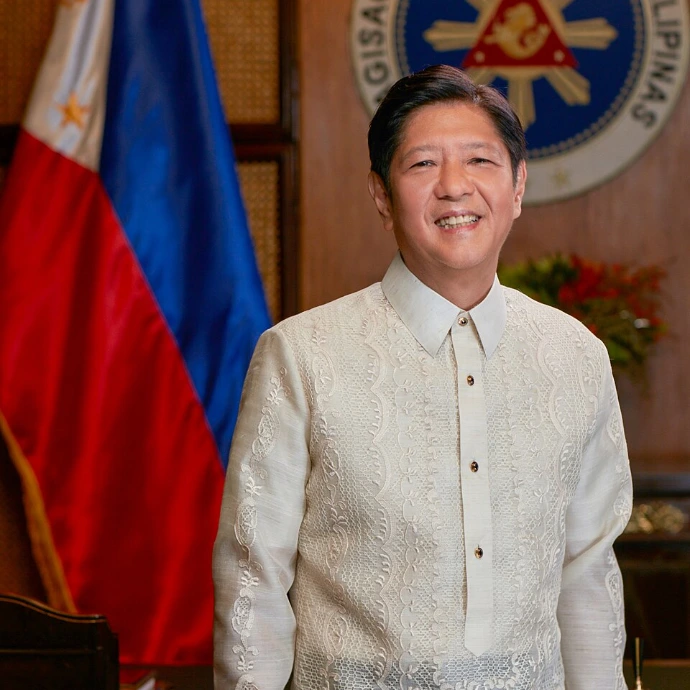
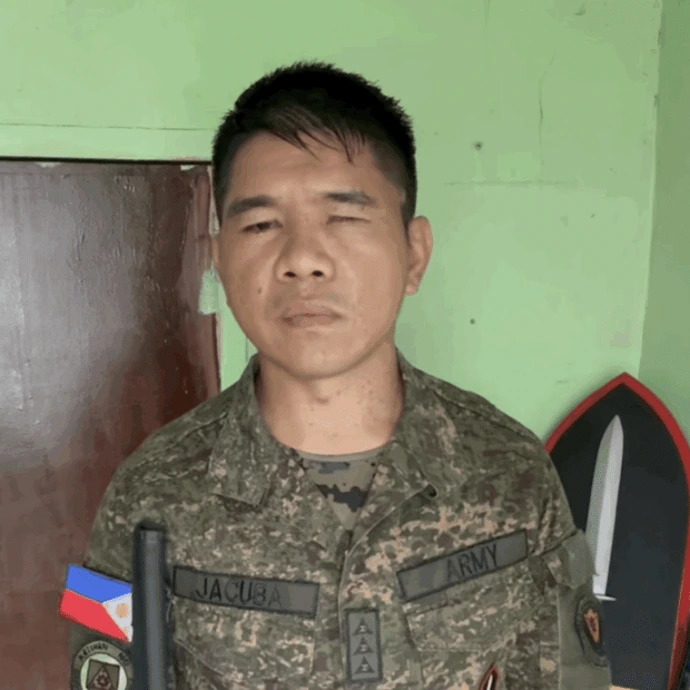
President Ferdinand “Bongbong” Marcos Jr. has ordered the suspension of the Complete Disability Discharge (CDD) for Captain Jerome Jacuba, who lost his sight after being wounded during a military encounter. The decision ensures Jacuba continues to receive military support while assessments are conducted.
Background on Captain Jacuba
Captain Jerome Jacuba, a soldier in the Armed Forces of the Philippines, sustained injuries in an encounter that caused total loss of his eyesight. Following military protocol, a Complete Disability Discharge (CDD) was initiated to process his retirement due to incapacity.
The CDD is a standard procedure for soldiers unable to continue service due to injury or illness. However, it can also mean a loss of certain benefits associated with active military service.
Presidential Intervention
President Ferdinand “Bongbong” Marcos Jr. has ordered the suspension of Jacuba’s CDD, directing military authorities to review the case and ensure the soldier continues receiving support.
The move reflects a broader emphasis on protecting the rights and welfare of wounded soldiers, recognizing their service and sacrifices to the country.
Official Statements
In a statement released by the Presidential Communications Office, it was emphasized that:
The suspension allows Jacuba to retain his military benefits while medical and administrative evaluations are completed.
The government acknowledges the sacrifices of soldiers injured in the line of duty and is committed to providing necessary support.
The Armed Forces of the Philippines is directed to ensure Jacuba’s well-being and continued access to medical care.
Why This Matters
This decision highlights the government’s focus on soldier welfare and sets a precedent for reviewing cases of military personnel injured in action. It also reflects public concern for ensuring that soldiers who have sacrificed their health and livelihood are not left without support.
Experts note that such interventions can help streamline administrative processes while protecting the rights of those who have risked their lives for the country.